Define: Feelings
Emotion is “e-motion.” Energy in motion. At its simplest level, emotion is energy moving in and on the body. Or said another way, feelings are physical sensations.
OR
Are the direct, embodied experiences of the present moment — vibrations in the body that, when fully felt, bring us back to aliveness, presence, and truth.
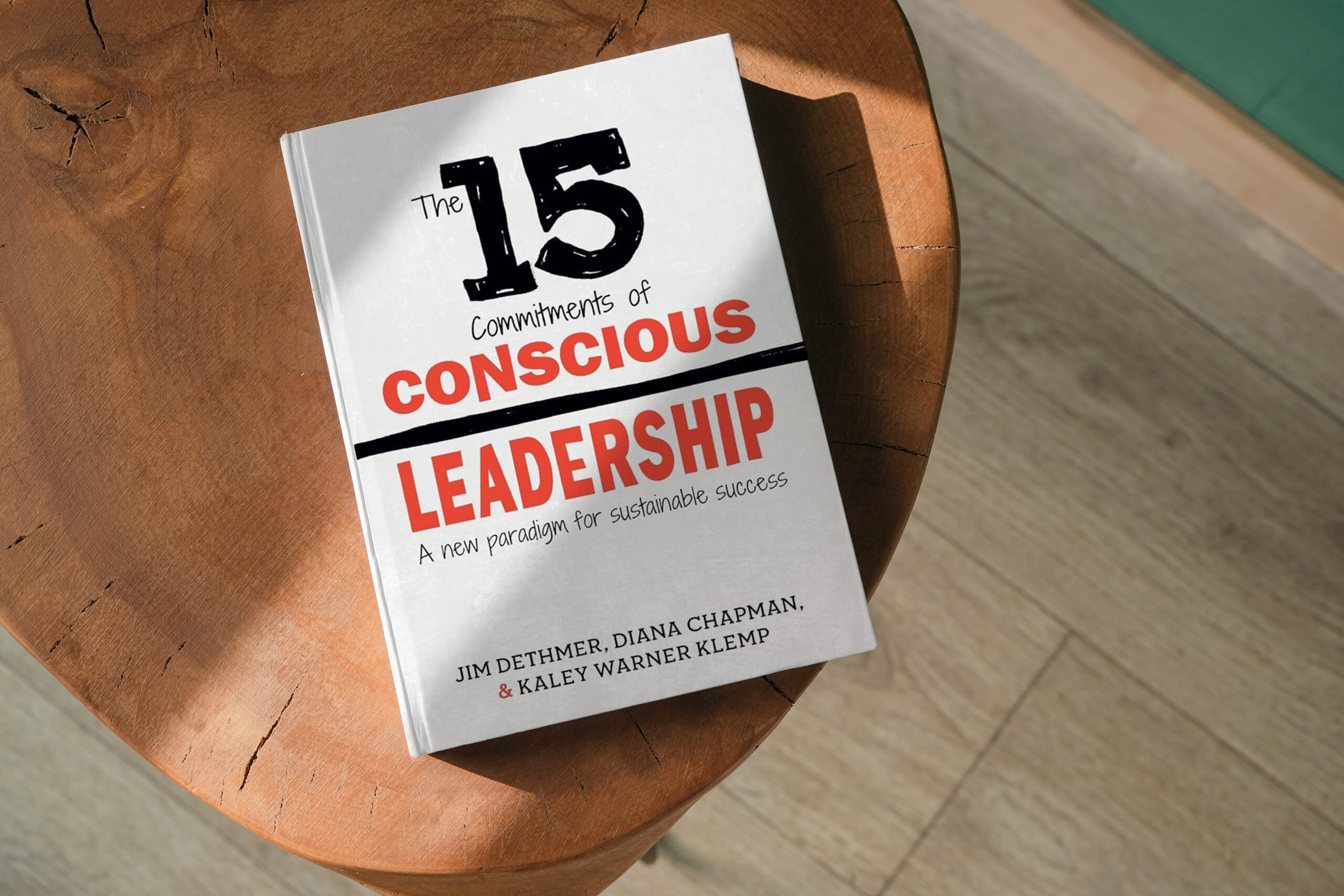
Excerpt from the Book:
Feelings are resisted and often repressed because they’re viewed as a distraction to good decision-making and leadership…….
For the last twenty years, a growing body of research has argued convincingly that emotional intelligence is essential for great leadership. But before you can become emotionally intelligent, you must first be emotionally literate.
From Above the Line
By Me:
I commit to feeling my feelings all the way through to completion. They come, and I locate them in my body then move, breathe and vocalize them so they release all the way through.
From below the Line
To Me:
I commit to resisting, judging and apologizing for my feelings. I repress, avoid, and withhold them
Practice It:
To practice this commitment we recommend the following:
Step 1
Stop periodically throughout your day and simply ask yourself the question, “What am I feeling right now?” The answer to the question must be one or more of the five core feelings: sad, scared, angry, joyful or sexual. Do not analyze the feeling and search for “why” you are feeling the feeling. Simply label it and then go back to doing what you were doing.
Step 2
When a feeling arises pause and…
- Locate the sensation in your body. What are the “bits” doing?
- Breathe and allow the bits to simply do what they do.
- Move and/or make a sound to match what the bits are doing.
Anger
Anger tells a leader that something is not, or is no longer, of service. Or, that something is not aligned, and must be changed or destroyed so that something more beneficial can replace it. This emotion tells a leader that a boundary needs to be set or an existing one is being violated. Without access to anger, leaders are dangerous because they don’t have a clear “NO.” They don’t have a “sword” for cutting and destroying when both are called for.
Fear
Fear tells a leader that something important needs
to be known. One form involves something that is not
being faced. Fear is the body’s way of saying, “Wake up!”
Like the pedestrian who comes to a curb and feels a wave
of fear run through his body as he sees an oncoming car
run a red light. Leaders who lack access to this fear are
dangerous because they don’t adequately sense danger
and are often living in denial of reality.
Sadness
Sadness tells a leader that something needs to be let go of, said goodbye to, moved on from. Sadness is the energy of loss. Something once meaningful is going away. It could be a person, a dream, a vision for the
company, a belief, an opportunity. Leaders who can’t feel sadness are dangerous because they hang on to old ideas, people, projects, and dreams long after they have served
their purpose. Also, such leaders have a very difficult time connecting with people at a heart level, a critical missing
piece of their leadership.
Joy
Joy tells a leader that something needs to be celebrated, appreciated, or laughed at, or someone needs to be patted on the back. Countless leaders fail to create a culture of celebration and appreciation because they’re cut off
from their joy. In our experience, people are as afraid of feeling their joy all the way through to completion as they are their fear, anger, sadness, and sexual feelings. They mistakenly believe that it is inefficient or boastful
to feel this emotion. Leaders who can’t experience joy are dangerous because they can’t adequately celebrate and appreciate themselves and others, unconsciously committed to limiting things that would be celebratory.
Sexual Feelings
Sexual feelings are the energy of creativity and creation. They tell the leader that something new wants to be birthed, to be created, to come into the world. Think of a leader and a team as being pregnant with ideas and innovations. Because of the abuse of sexual feelings in the workplace, our society has tried to legislate them out of that environment. We understand the reason behind this but we believe that in doing so, we have limited creative potential.