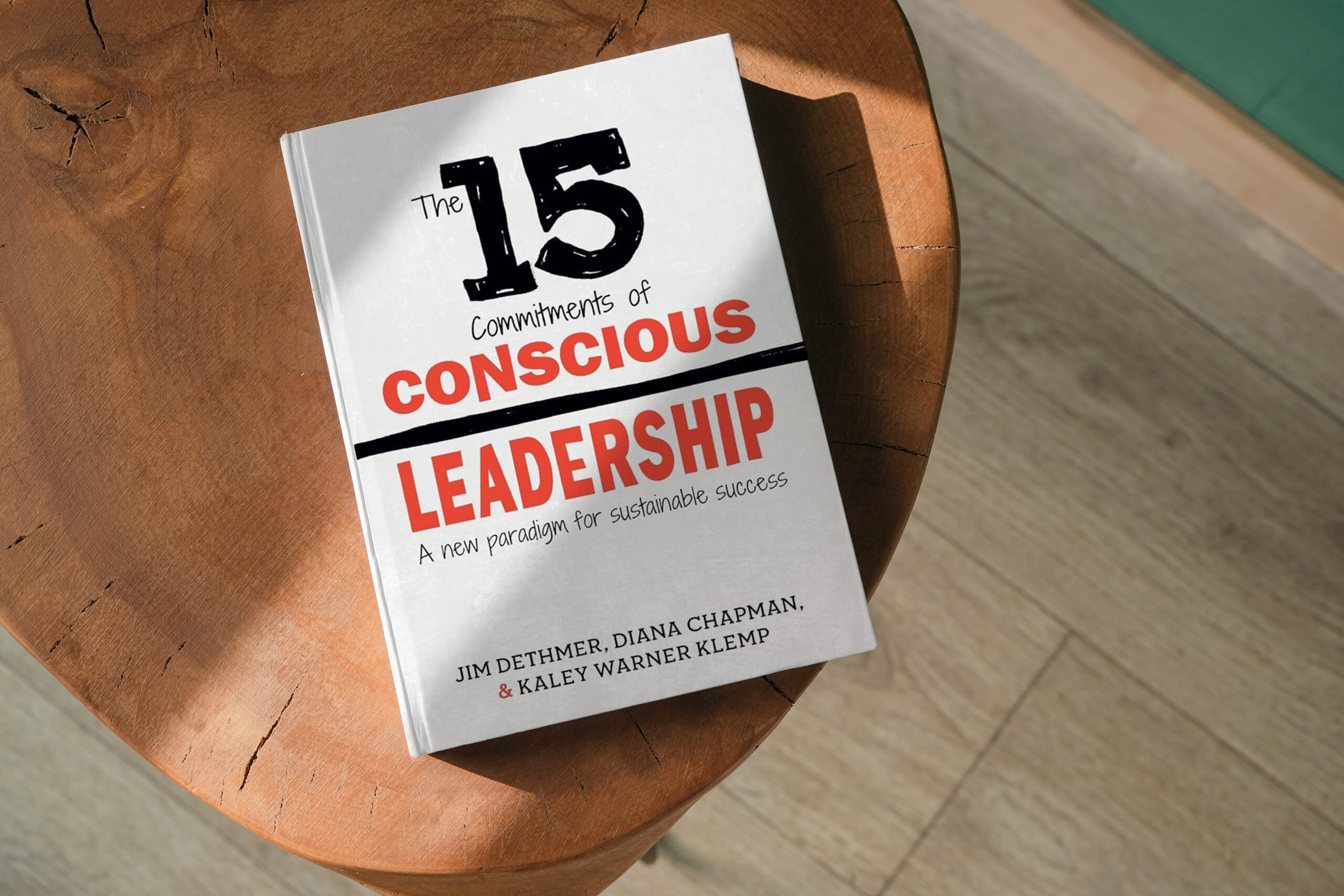
Commitment 11:
Approval
Approval, control, and security are the three core human desires. All other wants are versions of these three basic desires, which show up in a multitude of ways.
The challenge is not in having approval, control and security but in believing they are missing. This causes people to seek these core desires outside themselves – somewhere “out there”.
Our practice is to support leaders in knowing they are whole, perfect and complete and can move in the world from love and creativity.
From Above the Line
By Me:
I commit to being the source of my security, control and approval.
From below the Line
To Me:
I commit to living from the belief that my approval, control and security come from the outside; people, circumstances and conditions.
Practice It:
One of the things we do with leaders we coach is invite them to explore both their beliefs and their actual experience. This process takes many forms but a very simple starting point comes from the Sedona Method. It works by asking yourself these questions:
Step 1
At any moment (especially when you are upset and stressed) ask yourself “What do I want?” Don’t try to edit your answer or be mature about it. Just blurt.
Step 2
Ask yourself, “Could I welcome this wanting? Could I simply allow this wanting to be here just as it is?”
Step 3
Ask yourself, “If I dig a little deeper, is this desire coming from wanting approval, control or security?” (The key to this is to answer from your heart not your head. You can’t be wrong about your answer and if you’re not sure just pick one.)
Step 4
Ask yourself, “Could I welcome this wanting? Could I just allow it to be here?”
Step 5
Ask yourself, “Could I let this wanting go, just for now, just in this moment as best I could?”
Step 6
Ask yourself, “Could I rest for this moment as that (someone) which is beyond all wanting?”
In our experience this six-step process is totally transformative and unbelievably simple. For many of the leaders we know this process has become for them a regular practice that they choose several times a day. This is a practice of conscious leaders.
Based on the work of The Sedona Method. www.sedona.com